Introduction to Vrat Thali
The Vrat Thali, also called a fasting thali, is an integral part of Indian culinary culture, especially during religious occasions and festivals. It is a specially prepared platter that contains foods allowed during fasting (vrat), which are light, nutritious, and often devoid of common grains, onions, and garlic.
In India, fasting is not just a dietary restriction; it is a spiritual practice, a form of devotion, and a way to detoxify the body. The Vrat Thali perfectly balances tradition, taste, and nutrition, making fasting a delightful experience rather than a sacrifice.
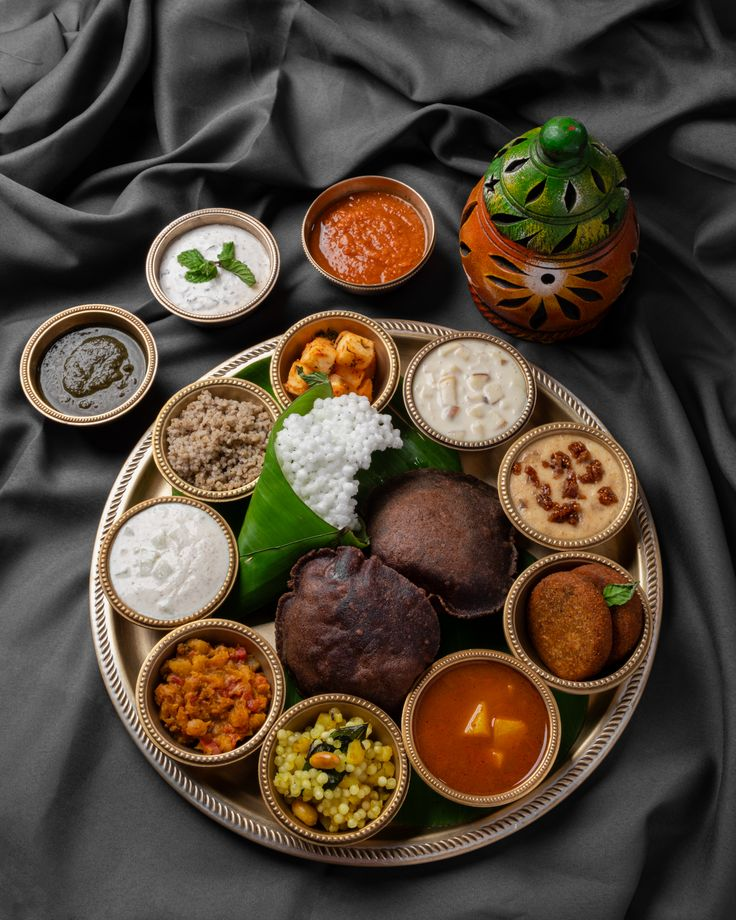
History of Vrat and Fasting Thali
Fasting has been a spiritual and cultural practice in India for thousands of years. References to fasting can be found in ancient Hindu texts, Puranas, and Ayurveda, highlighting its benefits for both body and mind.
- Religious significance: Fasts are observed to honor deities, seek blessings, or mark festivals like Navratri, Ekadashi, Karva Chauth, Maha Shivratri, and Janmashtami.
- Ayurvedic benefits: Traditional fasting foods are light, easily digestible, and help detoxify the body while maintaining energy levels.
- Regional variations: Each state in India has its own fasting foods and recipes, influencing the ingredients of a Vrat Thali.
Over time, these fasting foods were curated into special thalis, served during religious occasions to make fasting spiritually fulfilling and flavorful.
What is a Vrat Thali?
A Vrat Thali is a complete meal designed for fasting, typically prepared using ingredients permitted during vrat. Common ingredients include:
- Sabudana (tapioca pearls)
- Singhare ka atta (water chestnut flour)
- Kuttu ka atta (buckwheat flour)
- Samak rice (barnyard millet)
- Nuts and dry fruits
- Vegetables like potatoes, pumpkin, and bottle gourd
- Dairy products like curd and milk
A typical Vrat Thali is light, nutritious, and easy to digest. It ensures that fasting does not compromise health and provides energy for daily activities.
Popular Dishes in a Vrat Thali
1. Sabudana Khichdi
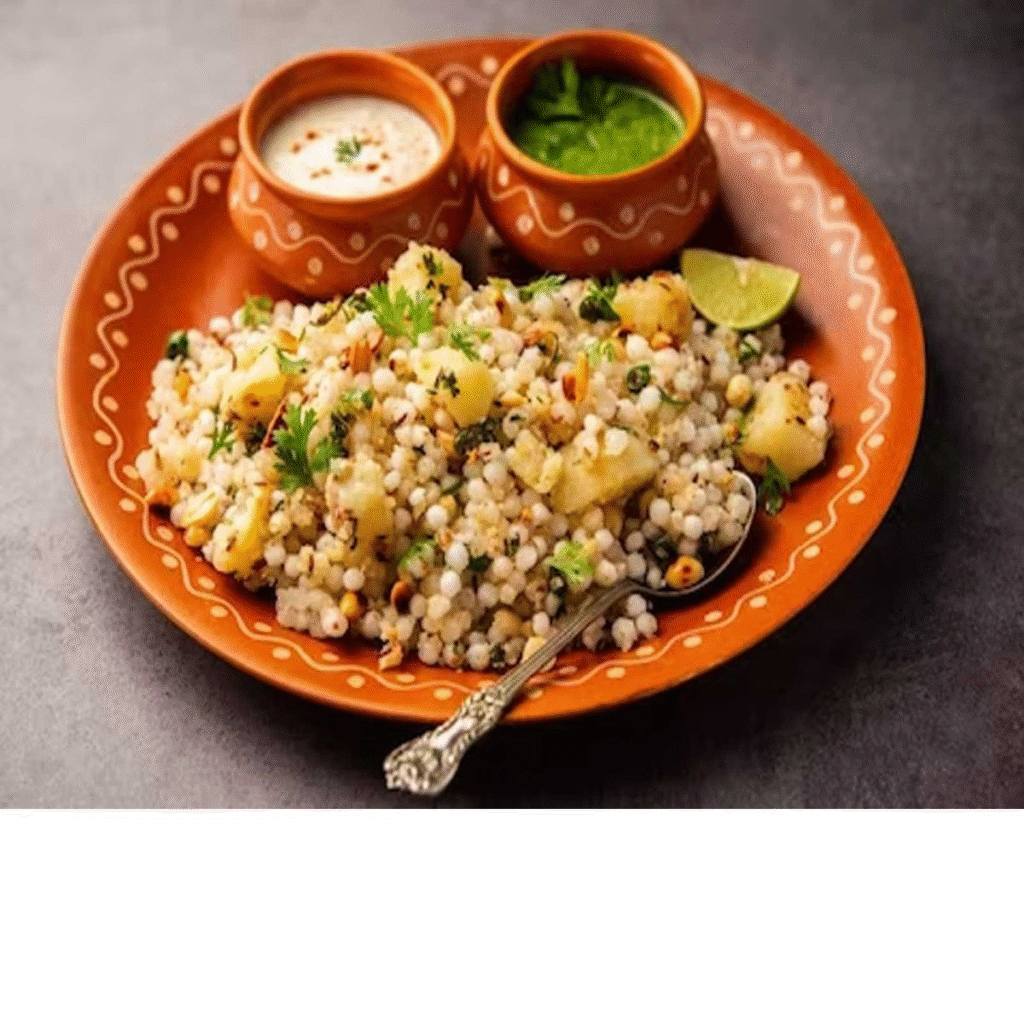
Sabudana khichdi is the most popular fasting dish in India, especially during Ekadashi. Made from soaked tapioca pearls, potatoes, peanuts, and mild spices, it is easy to digest and highly energizing.
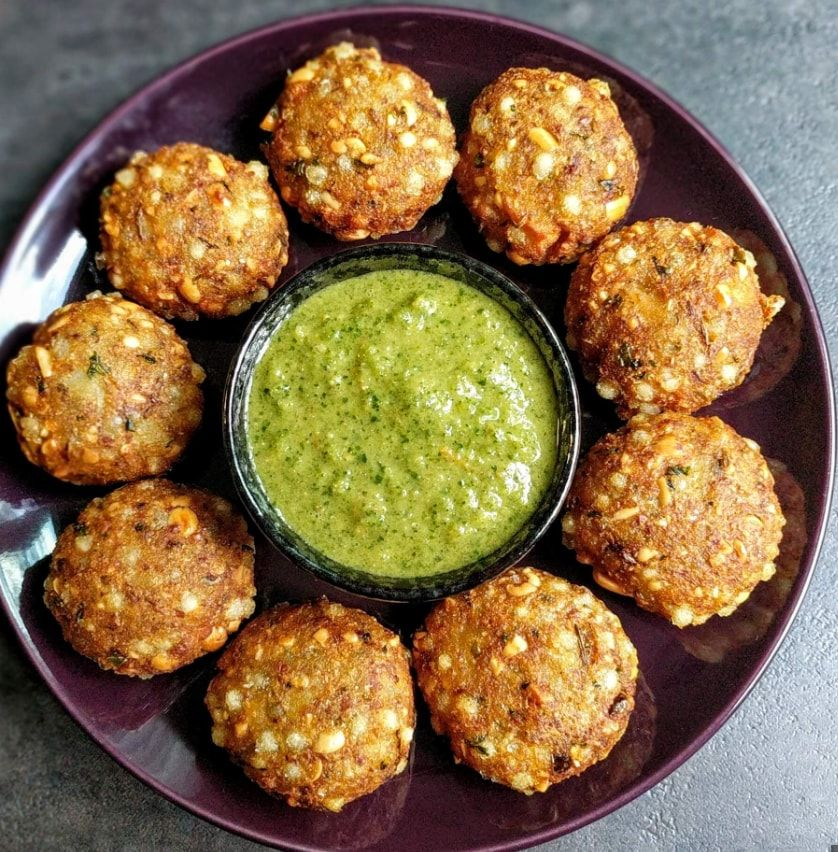
Recipe:
- 1 cup sabudana (tapioca pearls)
- 2 medium boiled potatoes
- 1/4 cup roasted peanuts
- 1 green chili
- 2 tbsp ghee
- Salt to taste
- Lemon juice
Method:
- Soak sabudana for 4–5 hours.
- Boil and cube the potatoes.
- Heat ghee, sauté green chili, add potatoes and peanuts.
- Add soaked sabudana, salt, and cook until pearls turn translucent.
- Garnish with lemon juice and coriander.
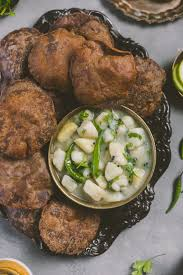
2. Kuttu ki Puri and Aloo Sabzi
Kuttu (buckwheat) flour puris are deep-fried or shallow-fried and paired with a simple potato curry, flavored with mild spices. This combination is a staple in most vrat thalis.
Recipe
- 1 cup kuttu ka atta (buckwheat flour)
- Water for kneading
- 1 tsp ghee
- Salt to taste
Method:
- Knead dough using water and salt.
- Roll into small puris.
- Deep fry in oil or ghee until golden brown.
- Serve with aloo sabzi or curd.
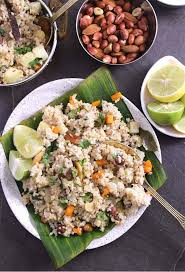
3. Samak Rice Pulao
Samak rice, also called barnyard millet, is cooked with vegetables, ghee, and dry fruits to make a light and nutritious pulao suitable for fasting.
Recipe :
- 1 cup samak rice
- 1 tbsp ghee
- 1/4 cup nuts and dry fruits
- 1 tsp cumin seeds
- Rock salt and black pepper to taste
Method:
- Wash samak rice and soak for 15–20 minutes.
- Heat ghee, add cumin seeds and nuts.
- Add rice and water, cook covered until fluffy.
- Season with salt and black pepper.
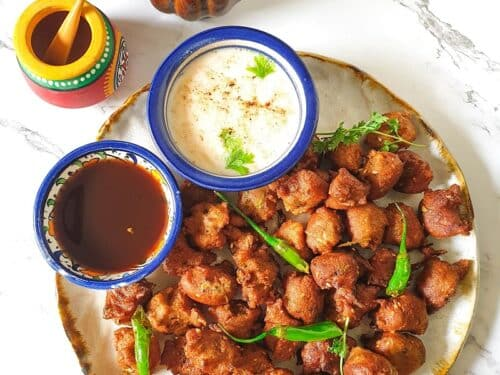
4. Singhare ke Pakore
Water chestnut flour fritters are crunchy, tasty, and ideal as a snack during fasting days. They are usually made with simple spices and fried in ghee or oil.
Recipe :
- 1 cup Singhare ka atta (water chestnut flour)
- 1 medium potato, grated or thinly sliced
- 1–2 green chilies, finely chopped
- 1 tsp sendha namak (rock salt)
- ½ tsp jeera (optional but nice)
- 1–2 tbsp chopped coriander
- A pinch black pepper or red chili powder (optional)
- Water, as needed
- Ghee or oil for deep frying
5. Fruit Chaat
Fresh fruits mixed with rock salt, black pepper, and lemon juice make a refreshing, healthy addition to a vrat thali.
6. Dairy Products
- Curd (dahi): Soothes the stomach and provides protein
- Milk or Kheer: Made using vrat-approved ingredients like samak rice or singhare ka atta
7. Sweets for Vrat
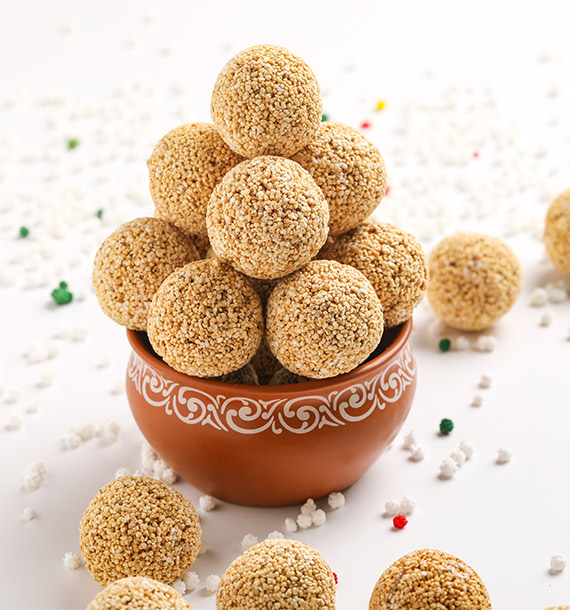
Rajgira Ladoo: Made from amaranth flour and jaggery
Coconut Ladoo or Kheer: Using vrat-friendly sweeteners
Recipe:
1 cup rajgira (amaranth) flour
1/2 cup jaggery
2 tbsp ghee
Method:
Roast rajgira flour lightly.
Melt jaggery in ghee and mix with roasted flour.
Shape into small ladoos and let cool.
Cultural Significance of Vrat Thali
Fasting is a spiritual practice, and the Vrat Thali enhances the devotional experience.
- Religious importance: During Ekadashi, Navratri, or Maha Shivratri, devotees eat from a vrat thali to honor the deity.
- Hospitality: In Indian households, preparing a vrat thali for guests during festivals symbolizes respect and tradition.
- Detoxification and health: Fasting foods are light, nutritious, and improve digestion.
The vrat thali also brings families together, as people of all ages enjoy the specially curated dishes during religious observances.
Health Benefits of Fasting Foods
- Provides energy without overloading the digestive system
- Helps in detoxification of the body
- Protein and fiber from peanuts, potatoes, and lentils
- Easy to digest, preventing stomach discomfort during fasting
Conclusion
The Vrat Thali is a perfect combination of spirituality, tradition, and nutrition. From sabudana khichdi to rajgira ladoo, each dish is thoughtfully prepared to follow religious guidelines while providing taste and nourishment.
Whether for Ekadashi, Navratri, or Karva Chauth, the fasting thali brings devotion, flavor, and health onto one plate