Introduction to Rajasthani Thali
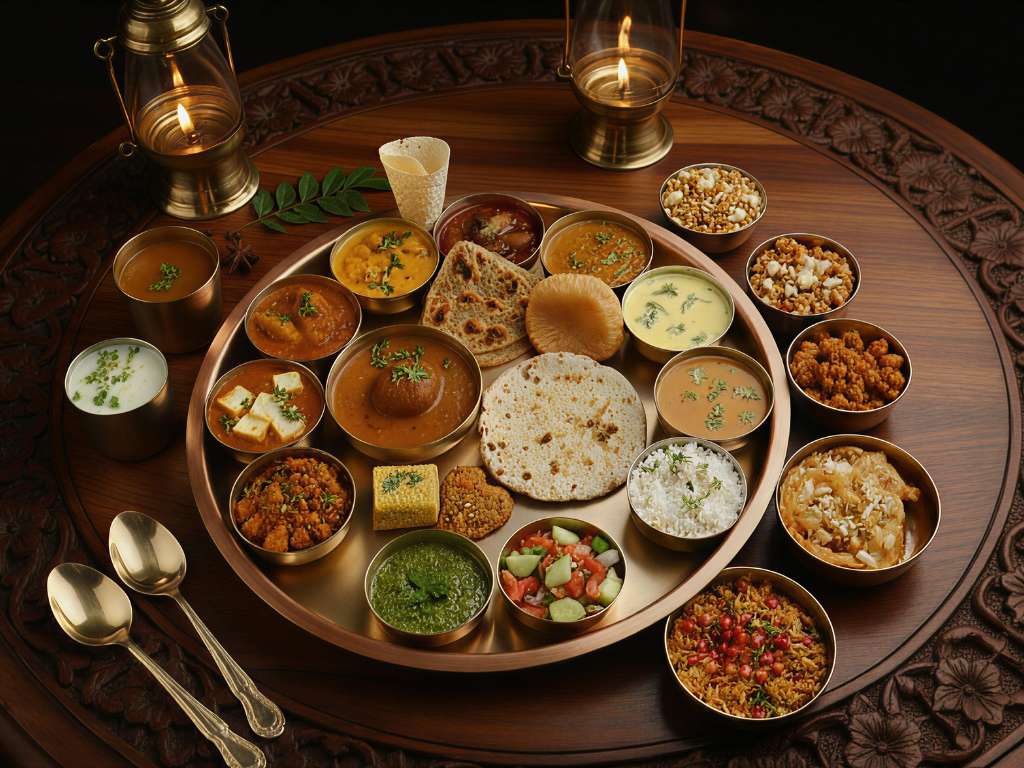
The Rajasthani Thali is more than just a meal—it is a reflection of Rajasthan’s rich history, royal lifestyle, and desert culture. Known for its bold flavors, long shelf-life foods, and generous use of ghee and spices, a traditional Rajasthani thali represents the true essence of Indian heritage cuisine.
Rajasthan, the land of kings, forts, and deserts, has developed a unique food culture shaped by its harsh climate, limited water resources, and royal traditions. Today, the Rajasthani thali is popular not only in India but also across the world, loved for its variety, taste, and authenticity.
History of Rajasthani Thali
The history of Rajasthani cuisine dates back several centuries and is deeply connected with the Rajputana lifestyle. Rajasthan’s dry climate and frequent wars influenced the way food was prepared. Since fresh vegetables and water were scarce, people relied on ingredients that could last longer, such as gram flour (besan), millet (bajra), lentils, dry spices, and ghee.
Royal kitchens in Rajasthan developed rich and elaborate dishes, while common households created simple yet flavorful foods that required minimal water. Many dishes were cooked once and could be eaten for several days without refrigeration.
Over time, these traditional foods came together to form what we now call the Rajasthani Thali—a complete meal served on a single platter, offering a balance of flavors: spicy, sweet, tangy, and savory.
What Is a Traditional Rajasthani Thali?
A traditional Rajasthani thali includes a wide variety of dishes served in small bowls (katoris) on a large plate. Each item has a unique taste and purpose, creating a wholesome and satisfying meal.
Key Components of a Rajasthani Thali:
- Dal
- Baati
- Churma
- Vegetable curries
- Roti or bread
- Rice dish
- Chutneys and pickles
- Dessert
- Buttermilk (Chaas)
Popular Dishes in a Rajasthani Thali
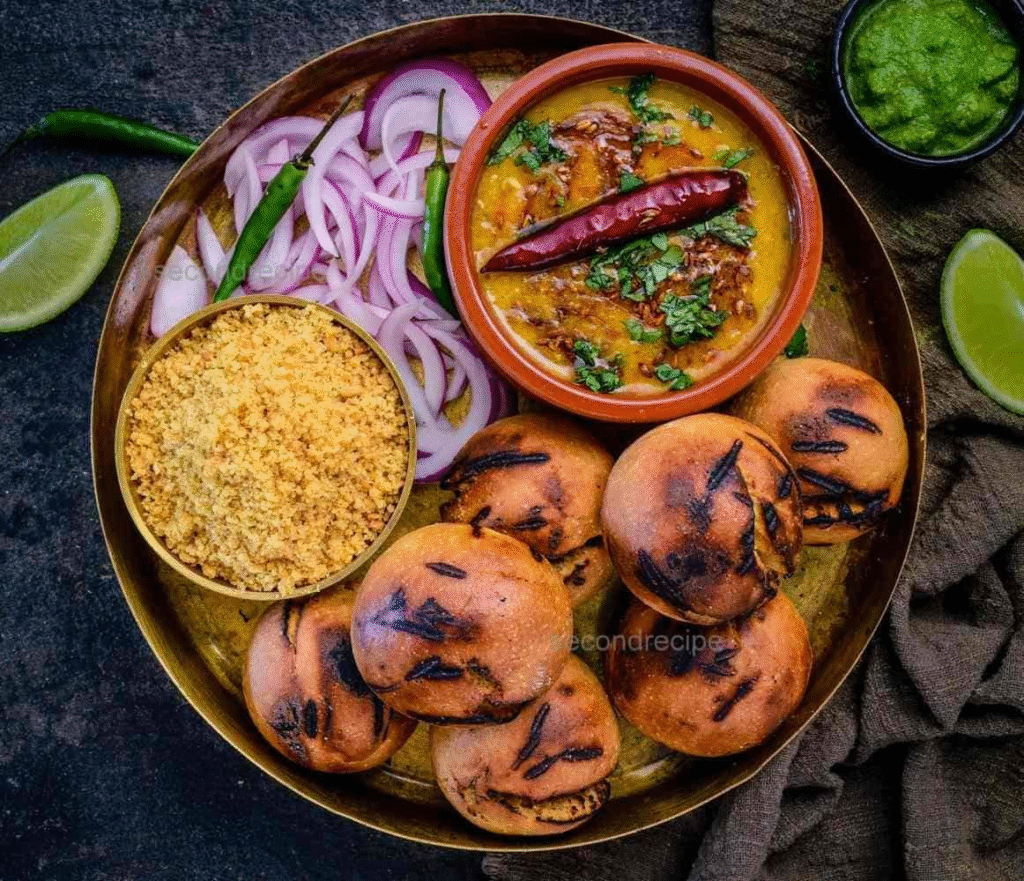
1. Dal Baati Churma
This is the most iconic dish of Rajasthan.
- Dal: A mix of lentils cooked with spices
- Baati: Hard wheat bread baked or roasted and dipped in ghee
- Churma: Sweet crushed baati mixed with jaggery and ghee
This dish represents the soul of Rajasthani cuisine.
Ingredients:
- Wheat flour
- Mixed lentils
- Ghee
- Garlic, chili, cumin, turmeric
Method:
- Knead wheat flour with salt and ghee, shape into balls.
- Bake or roast baatis until golden.
- Cook lentils with spices for dal.
- Serve baati dipped in ghee with dal and churma.
2. Gatte ki Sabzi
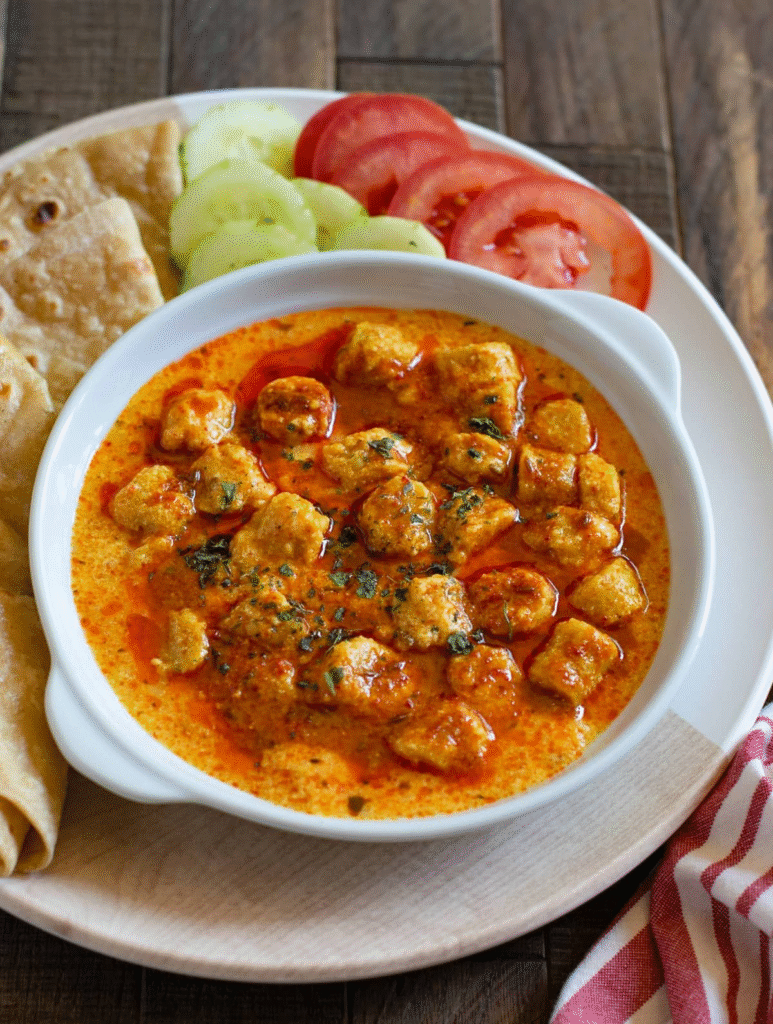
Made from gram flour dumplings cooked in a spicy yogurt-based gravy, this dish was invented due to the lack of fresh vegetables in desert regions.
Ingredients:
- Gram flour (besan)
- Yogurt
- Red chili powder
- Turmeric
- Cumin seeds
Method:
- Make a stiff dough with besan and spices.
- Boil, slice, and fry the gatte.
- Prepare yogurt-based gravy and add gatte.
- Cook until flavors blend well.
3. Ker Sangri
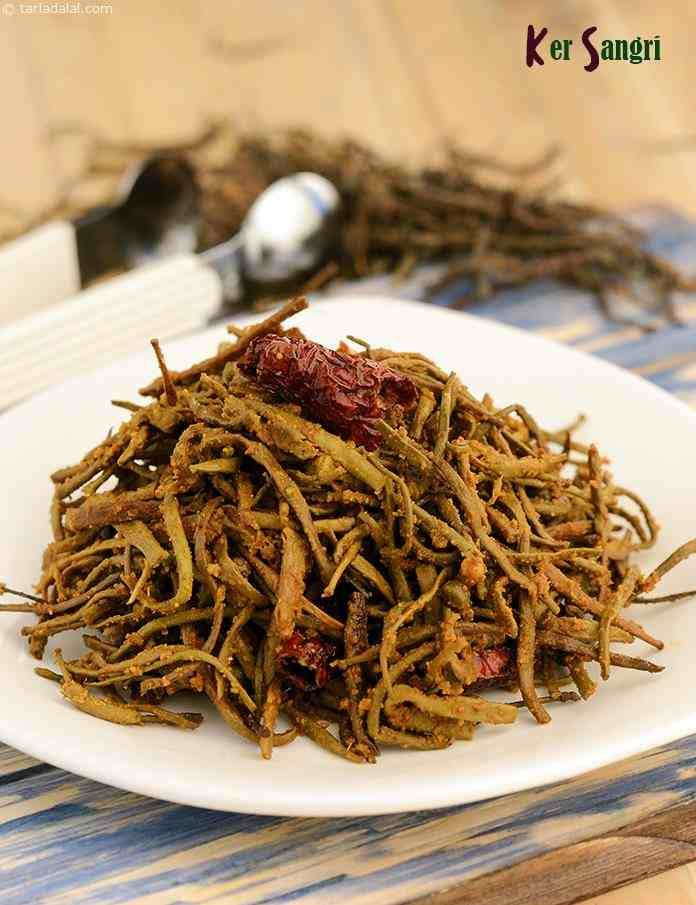
A traditional desert bean and berry preparation cooked with spices. It is a rare and unique Rajasthani dish, mostly found in rural areas.
Ingredients
- Ker (dried berries) – ½ cup
- Sangri (dried desert beans) – 1 cup
- Mustard oil – 3–4 tbsp (important for authentic flavor)
- Dried red chilies – 3–4 (broken)
- Cumin seeds – 1 tsp
- Asafoetida (hing) – a pinch
- Turmeric powder – ½ tsp
- Red chili powder – 1–1½ tsp (adjust to taste)
- Coriander powder – 1 tsp
- Amchur (dry mango powder) – 1½–2 tsp
- Salt – to taste
- Optional: 1 tbsp yogurt (some households use it, some don’t)
4. Bajra Roti
Bajra (pearl millet) is a staple grain in Rajasthan. Bajra roti is thick, nutritious, and usually served with ghee, garlic chutney, or jaggery.
5. Laal Maas
A fiery red mutton curry made with red chilies and garlic, originally prepared for royal hunting feasts.
6. Rice Dishes
- Jeera Rice
- Ghee Rice
Rice balances the spicy flavors of Rajasthani curries.
7. Chutneys and Pickles
- Garlic chutney
- Mint chutney
- Mango pickle
These add extra flavor and enhance the overall experience.
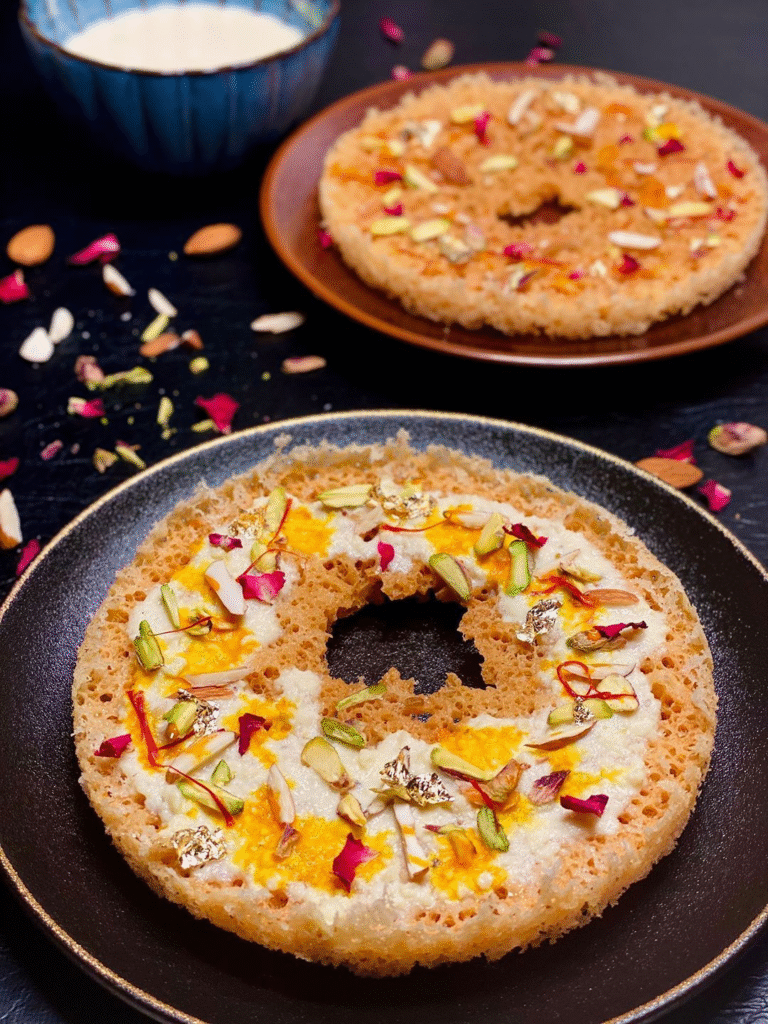
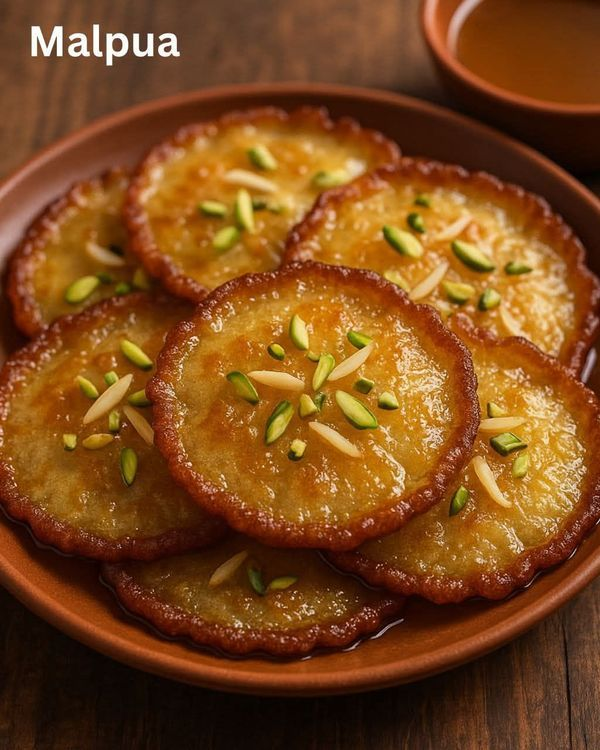
8. Desserts
- Ghewar
- Malpua
- Moong Dal Halwa
Rajasthani sweets are rich, festive, and made with ghee.
Cultural Importance of Rajasthani Thali
The Rajasthani thali is not just food; it represents hospitality, tradition, and celebration. In Rajasthan, guests are treated like gods, and serving a full thali is a sign of respect and generosity.
During festivals, weddings, and special occasions, the thali becomes even more elaborate, often served with unlimited refills, known as “khub khavo” culture.
Health Benefits of Rajasthani Cuisine
- Use of millets like bajra improves digestion
- Ghee provides energy and healthy fats
- Lentils offer high protein
- Spices aid metabolism and immunity
Despite being rich, Rajasthani food is balanced and nourishing when eaten traditionally.
Conclusion
The Rajasthani Thali is a perfect blend of history, culture, nutrition, and royal flavors. From the deserts of Rajasthan to modern restaurants worldwide, this traditional meal continues to win hearts. Its rich recipes, cultural significance, and bold taste make it one of the most celebrated cuisines of India.
Whether you are a food lover, traveler, or blogger, exploring the Rajasthani thali is like taking a flavorful journey through India’s royal past.